Acid rain. It's a phrase that conjures up images of dying forests and lifeless lakes. It’s a serious environmental problem, and understanding its causes can feel overwhelming. But what if I told you that one of the solutions is literally shining down on us every day?
Exploring the connection between solar energy and acid rain reduction offers a sense of empowerment. By understanding how renewable energy sources like solar power address the root causes of acid rain, we can feel more confident in our ability to make a positive impact on the environment.
Here’s a simple habit to adopt: When you hear about environmental challenges, actively look for the solutions. Focus your energy on understanding how clean energy technologies work and how they contribute to a healthier planet. This proactive approach will foster a sense of hope and agency.
Understanding Acid Rain and Its Causes
Acid rain, more accurately called acid deposition, occurs when pollutants like sulfur dioxide (SO2) and nitrogen oxides (NOx) are released into the atmosphere and undergo chemical reactions. These pollutants can travel long distances, be absorbed by raindrops, snow, fog, and dry particles, and then fall back to earth. This deposition can harm ecosystems, damage infrastructure, and even affect human health.
The primary sources of these pollutants are the burning of fossil fuels – coal, oil, and natural gas – in power plants, factories, and vehicles. When these fuels are burned, they release SO2 and NOx into the air. These gases then react with water, oxygen, and other chemicals to form sulfuric and nitric acids.
What are the main pollutants that cause acid rain?
The main culprits behind acid rain are sulfur dioxide (SO2) and nitrogen oxides (NOx). Sulfur dioxide primarily comes from burning fossil fuels, especially coal, in power plants. Nitrogen oxides, on the other hand, are produced from the combustion of fossil fuels in vehicles, industrial processes, and power plants. Reducing emissions of these pollutants is crucial in mitigating acid rain.
How Solar Power Reduces Acid Rain Formation
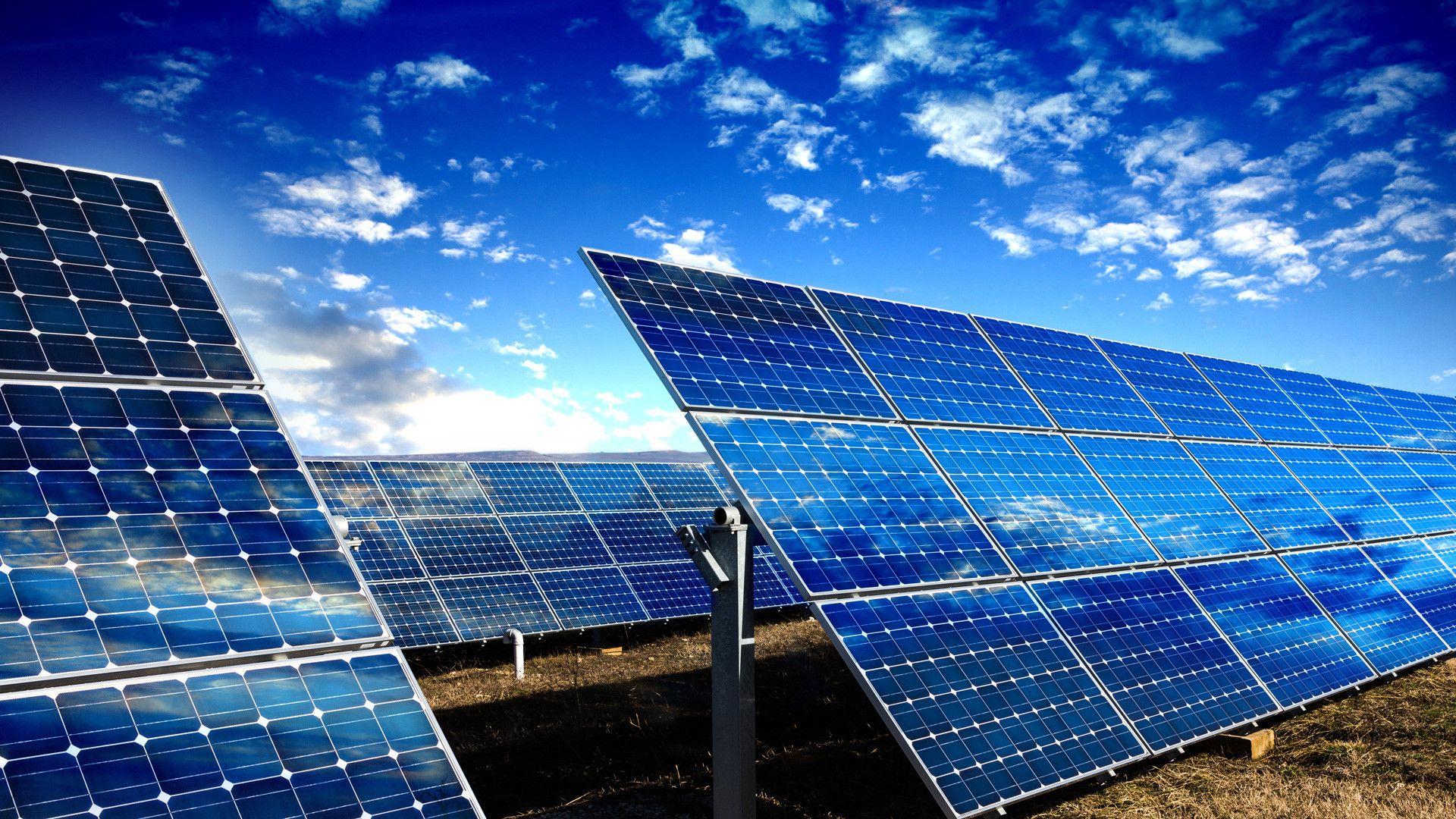
Solar power offers a direct and effective way to reduce acid rain by decreasing our reliance on fossil fuels. Solar panels convert sunlight directly into electricity, producing no air pollutants in the process. This means fewer harmful emissions being released into the atmosphere, leading to a significant reduction in acid rain-causing pollutants.
By transitioning to solar energy, we reduce the demand for electricity generated by coal-fired power plants, one of the biggest sources of sulfur dioxide emissions. Similarly, a shift towards electric vehicles powered by solar energy can dramatically cut nitrogen oxide emissions from transportation. The broader the adoption of solar, the greater the positive impact on air quality and acid rain reduction.
How does solar energy work to prevent pollution?
Solar energy directly prevents pollution by replacing energy sources that produce pollutants. Traditional power plants burn fossil fuels, releasing sulfur dioxide, nitrogen oxides, and other harmful substances into the air. Solar panels, however, generate electricity from sunlight, a clean and renewable resource. Since solar power doesn't involve combustion, it doesn't create air or water pollution.
The Ripple Effect: Environmental and Health Benefits
The benefits of reducing acid rain extend far beyond just protecting forests and lakes. Lowering SO2 and NOx emissions has positive effects on human health, particularly respiratory health. Acid rain can also damage buildings and monuments made of stone and metal, so reducing its impact helps preserve our cultural heritage.
Clean air also leads to improved visibility, making it easier to enjoy outdoor activities and appreciate natural landscapes. From healthier ecosystems to a more aesthetically pleasing environment, the ripple effect of reducing acid rain through solar power is profound and far-reaching.
What’s the biggest environmental benefit of solar?
The most significant environmental benefit of solar power is its ability to reduce greenhouse gas emissions and air pollution. By replacing fossil fuels with clean, renewable energy, solar power helps combat climate change and improve air quality, leading to healthier ecosystems and a more sustainable future. This includes reducing the pollutants that directly cause acid rain.
Beyond Power Generation: Other Ways Solar Helps
While solar power's primary contribution to acid rain reduction is through clean electricity generation, its benefits extend to other areas as well. For example, solar-powered water heaters reduce the demand for electricity or natural gas for heating water, further decreasing reliance on fossil fuels. Solar-powered transportation, like electric vehicles charged by solar panels, also helps cut emissions from the transportation sector.
Even seemingly small applications, like solar-powered streetlights and traffic signals, contribute to the overall effort by reducing the electricity demand on the grid. Every kilowatt of electricity generated by solar is one less kilowatt that needs to be produced by a polluting power plant.
Are there other renewable energy sources that fight acid rain?
Yes, absolutely! Wind power, hydroelectric power, geothermal energy, and biomass energy all contribute to reducing acid rain by decreasing our reliance on fossil fuels. Each of these renewable energy sources has its own advantages and disadvantages, but they all share the common goal of providing clean energy alternatives to polluting sources.
Making the Switch: How You Can Contribute
Transitioning to solar power isn't just a responsibility for governments and corporations; individuals can also play a vital role. Installing solar panels on your home is a direct way to reduce your carbon footprint and decrease demand for fossil fuel-generated electricity. Even if you can't install solar panels, you can support policies that promote renewable energy and advocate for cleaner air.
Another easy step is to conserve energy in your daily life. Simple actions like turning off lights when you leave a room, using energy-efficient appliances, and reducing your driving can all make a difference. By combining individual actions with broader systemic changes, we can accelerate the transition to a cleaner, healthier future.
You can also support companies that are committed to sustainability. Look for businesses that use renewable energy, reduce their emissions, and invest in environmental initiatives. By supporting these businesses, you're sending a message that you value sustainability and are willing to vote with your wallet.
Understanding the link between solar power and acid rain reduction is more than just an intellectual exercise; it's an invitation to be part of the solution. Every solar panel installed, every electric vehicle charged with renewable energy, and every conscious effort to conserve energy brings us closer to a cleaner, healthier planet. Keep learning, keep acting, and remember that even small steps can have a big impact. The sun is shining, and the future is bright.
Post a Comment for "How Solar Power Reduces Acid Rain Risks"